


 Apple Podcasts
 Spotify
 YouTube
 Goodpods
 Amazon Music
 Overcast
 Castro
 PocketCasts
 Podchaser
 RadioPublic
 RSS Feed
 Winning at Honey with Stephanie: Getting Your Entries to the Show
Stephanie Slater shares practical advice for safely transporting honey show entries by car, shipping, and air travel. Learn how experienced competitors protect honey and beeswax, manage TSA restrictions, pack checked luggage, prepare for bubbles and fill-line problems, and assemble a competition cleanup kit. Plus, Stephanie talks with 2026 Wisconsin Honey Queen Emily Skala and previews upcoming honey shows.
Key Takeaways
- Pack honey show entries so jars remain upright, separated, cushioned, and protected from movement.
- Full-size honey show jars should travel in checked luggage when flying because of TSA liquid restrictions.
- Allow extra time after air travel to inspect honey, remove bubbles or foam, adjust fill levels, and clean the jars.
- Bring a competition cleanup kit with spare lids, lint-free cloths, gloves, a flashlight, and tools for adjusting honey.
- Temperature matters when transporting honey and beeswax, so avoid leaving competition entries in a vehicle overnight.
- - Before shipping entries, confirm that the honey show accepts shipped entries and verify its delivery address and deadline.
You've spent hours preparing your honey show entries—but how do you get them safely to the judging table? This month on Winning at Honey with Stephanie, Stephanie Slater tackles the challenges of transporting competition entries by car, shipping, and air travel. She shares her own techniques along with advice from experienced honey judges who regularly travel with competition honey.
You'll learn how to protect jars and delicate beeswax entries, why temperature matters, what to include in a competition cleanup kit, and how to prepare for the inevitable bubbles and honey above the fill line after a flight. Stephanie also discusses TSA liquid restrictions, checked luggage, shipping mishaps, spare honey, fresh lids, and even a clever hotel-room trick for encouraging bubbles to rise.
Before getting on the road, Stephanie talks with 2026 Wisconsin Honey Queen Emily Skala about the Honey Queen program, youth involvement in beekeeping, honey shows, and Emily's plans to compete for the American Honey Queen title in January.
Finally, the Honey Show Spotlight looks at upcoming competitions around the country and previews the American Honey Show at the 2027 American Beekeeping Federation Conference in Galveston, Texas.
Whether you're driving across town or flying across the country, careful transportation is part of preparing an award-winning entry.
Blue skies and blue ribbons!
Websites mentioned:
- Honey Show USA - https://honeyshowusa.com/
- Wisconson State Fair Honey Show - https://wistatefair.com/competitions/honey-products/
- American Beekeeping Federation - https://abfnet.org/
- Honey For Good - https://honeyforgood.org/
- Good Food Awards - https://goodfoodfdn.org/
- Wisconsin Honey Producers Honey Queen Program - https://wihoney.org/honey-queen/
- American Beekeeping Federation Honey Queen Program - https://abfnet.org/american-honey-queen-program/
- Missouri State Beekeepers Assn Honey Show - https://www.mobees.org/events/beeconf2026/
______________
Brought to you by Betterbee – your partners in better beekeeping.

Betterbee is the presenting sponsor of Beekeeping Today Podcast. Betterbee’s mission is to support every beekeeper with excellent customer service, continued education and quality equipment. From their colorful and informative catalog to their support of beekeeper educational activities, including this podcast series, Betterbee truly is Beekeepers Serving Beekeepers. See for yourself at www.betterbee.com
_______________
We hope you enjoy this podcast and welcome your questions and comments in the show notes of this episode or: questions@beekeepingtodaypodcast.com
Thank you for listening!
Podcast music: Be Strong by Young Presidents; Epilogue by Musicalman; Faraday by BeGun; Walking in Paris by Studio Le Bus; A Fresh New Start by Pete Morse; Wedding Day by Boomer; Christmas Avenue by Immersive Music; Red Jack Blues by Daniel Hart; Bolero de la Fontero by Rimsky Music; Perfect Sky by Graceful Movement; Original guitar background instrumental by Jeff Ott.
Beekeeping Today Podcast is an audio production of Growing Planet Media, LLC
** As an Amazon Associate, we may earn a commission from qualifying purchases
Copyright © 2026 by Growing Planet Media, LLC

Frequently Asked Questions
Can you take honey on an airplane to a honey show?
Yes. Full-size competition honey jars generally need to travel in checked luggage because they exceed TSA carry-on liquid limits. Pack each jar securely and check your airline's current baggage requirements before traveling.
How should honey show jars be packed for travel?
Keep jars upright, individually cushioned, and separated so they cannot strike one another. Sealed plastic bags can help contain leaks, and a rigid or hard-sided container provides additional protection.
What should be in a honey show competition cleanup kit?
Useful supplies include lint-free cloths and gloves, spare lids, resealable bags, a bright flashlight, and small tools such as a spoon, spatula, cake tester, or pipette for final adjustments.
Can honey show entries be shipped to a competition?
Some competitions accept shipped entries, but rules vary. Verify the show's shipping policy, delivery address, arrival deadline, and packaging requirements before sending anything.
Getting Your Entries to the Show
Stephanie Slater
3, 2, 1. Hello everyone, and welcome to Winning at Honey with Stephanie. This Beekeeping Today podcast short is all about bite-sized conversations where we explore honey shows, judging tips, and the art of exhibiting award-winning hive products. I'm your host, Stephanie Slater, and I'm excited to be back with you. Before we get into this month's topic, I wanted to share a few highlights from the Walworth County Fair.
Remember that pollinator porch pot I told you about last month? It won the Pride on Display Contest. I was thrilled, and the really cool banner and generous cash prize were a wonderful bonus.
My hand-dipped tapers also earned the Grand Champion Beeswax Award. I took the year off from exhibiting preserves, but I did bring a few dehydrated items, including pollen, which received the Judge's Choice Award. Usually the food preservation judges aren't quite sure what to make of my pollen entries, but this year's judge thought it was pretty cool. And with all the attention I've been giving pollen lately, I've recommended adding it to next year's honey show.
Nothing is official yet, so open class exhibitors should watch for the premium book next spring. But I'm hopeful. Even with fewer entries, it turned out to be a great year at the fair.
Next up for me is the Wisconsin State Fair Honey Show in November. Of course, the fair wasn't just about ribbons. The Walworth County Beekeepers Association was honored to host Emily Skala, our 2026 Wisconsin Honey Queen, for a day.
Emily talked with fairgoers at our observation hive, visited the open class and youth honey exhibits, and helped me judge a honey quickbread contest. We wrapped up our day with a brief interview, which I'm excited to share with you. I am joined today by Emily, and she is the 2026 Wisconsin Honey Queen. And she joined me at the Walworth County Fair today. And so I thought we would just chat with her for a few minutes.
Welcome Emily. Thank you for joining me.
Emily Skala
Thank you so much for having me.
Stephanie Slater
Well, first I want to just ask, what does a honey queen do?
Emily Skala
Yeah, so my job is to go all over the state of Wisconsin and educate people on honey bees, beekeeping, and honey as a product, be an advocate for the industry and just a friendly face for everyone to ask their questions to and just say hi.
Stephanie Slater
That sounds like a lot of fun. When did you start your honey queen responsibilities?
Emily Skala
I started my outings in February, but I was crowned at the fall convention for the Wisconsin Honey Producers in November.
Stephanie Slater
Okay, so it sounds like your time is kind of starting to come up, isn't it?
Emily Skala
It is, but it has been a fantastic year so far.
Stephanie Slater
That's awesome. I'm so glad to hear it. Well, because my segment of the podcast is often about honey shows, I have to ask you, have you ever entered any honey shows?
Emily Skala
I have. I've entered into quite a few and I've also done very well for quite a few of them, winning first place and second place for a couple of years.
Stephanie Slater
Okay. And which one did you win first place at?
Emily Skala
At the uh Wisconsin State Fair Honey Show. So I was very excited about that.
Stephanie Slater
So you got first place. Does that mean you beat me one year?
Emily Skala
It is.
Stephanie Slater
Oh boy. Okay, well congratulations. I'm so excited. So do you have plans on entering future honey shows?
Emily Skala
I do. Hopefully I'll have enough time to get some entries in this year.
Stephanie Slater
Oh, okay. I hope so. Well if you have questions or want some help, you know how to give me a call. All right, well that's exciting.
I look forward to seeing what you bring to the Wisconsin State Fair Honey Show. I'd like to ask you, how did you start beekeeping? Because you're a rather young woman, so how did you get started in beekeeping?
Emily Skala
I started beekeeping about six years ago through the Wisconsin Honey Producers Youth Scholarship Program, where I was given everything I needed to become a beekeeper, from the bees, the hive, all the tools, and an amazing mentor to teach me everything that I know, and that led me towards the Honey Queen program as well.
Stephanie Slater
Wow, that's super cool. I love it when the state organizations can promote youth in beekeeping. You know, you go to the meetings and you look around the room and We don't see a lot of young people.
So I'm really excited that you stuck with it even after you got out of the program and that you're so excited that you are a honey queen now. So it's super cool. Well, I gotta ask, you mentioned that your time as a Wisconsin Honey Queen is coming to an end here in November. What's next for you?
Emily Skala
Next, we'll be, um, competing for the American Honey Queen position and I'm really hoping for it. I'm working very hard to get everything in and I'm very excited to have that good experience of applying and running for the position.
Stephanie Slater
Okay. And when does that happen and where do you have to go for that?
Emily Skala
That will be in January in Galveston, Texas.
Stephanie Slater
Is that at the American Beekeeping Federation conference?
Emily Skala
Yes.
Stephanie Slater
Fantastic. Well, I look forward to watching you compete in January. I want to thank you for your time today, Emily. And it was really fun talking to you and kind of hearing more about what you do as a honey queen. Before we end this interview, is there anything else that you wanted to mention to the listeners?
Emily Skala
Yes, of course. I would like to encourage that all the young ladies apply for their either county level, state level, or even the American Honey Queen program when they feel they would like to have a unique experience because my time as the Honey Queen has really grown my love for people and the industry and I do encourage others to share that love as well.
Stephanie Slater
That is really, really good information. So I'm guessing there's probably a minimum age requirement for becoming a honey queen. Do you know what that is off the top of your head?
Emily Skala
It is 18 years old.
Stephanie Slater
All right.
Emily Skala
And we do have an age cutoff of 24.
Stephanie Slater
Okay.
Emily Skala
So if you are in that age range, please apply. And we have applications open if you are in Wisconsin as well, opening up here soon and will be closing around the end of October.
Stephanie Slater
Okay. Is that about the same timing for the American Honey Queen program as well, the application process?
Emily Skala
Yes.
Stephanie Slater
Okay, super. You've gone through a lot of training, I think. Even though you knew bees and you're a beekeeper, just the public speaking and interacting and making sure that the beekeeping facts that you're talking about are accurate. Do you feel that that has really grown you as a professional and that will really help you as you move forward in life?
Emily Skala
Oh yes, we are trained very well with the public speaking, media training. We have so many great resources that are given to us to ensure that we are successful in our year.
Stephanie Slater
Well, at all the conferences that I travel around to, I do get to observe other honey queens and I agree with you a hundred percent. The people that run these programs and the training that they put into it is top-notch and can't be beat.
So I'm very happy for you. I'm very excited. I look forward to seeing you again in January.
and have a great rest of your year.
Emily Skala
Thank you so much. Thank you for having me too.
Stephanie Slater
Full disclosure, Emily is my niece and we're so proud of her. We'll be cheering her on as she pursues the American Honey Queen crown. But Emily, if you're listening, I'll be cheering you on for the crown. But when we're competing for ribbons in November, you're on your own. This month I'm excited to attend the Missouri State Beekeepers Association Fall Honey Show. I'll be helping staff the honey show along with several of my honey judge friends. Missouri not only puts on a great honey show, they also put on great conferences. Now, on to this month's honey show topic.
I received an email from Colleen Boyle in Connecticut asking for advice on transporting entries to honey shows. She's inspired to enter the North American Honey and Beeswax Championship in Kentucky in January. But she'll need to fly with her entries.
That's a great question, Colleen. We put so much work into preparing our entries and getting them to the show in good condition is part of that preparation. Let's talk about three ways to get them there.
Driving, shipping, and flying. Most of my entries have traveled by car, although I've shipped an entry once. To help cover the options I have less experience with, I reached out to some of my honey judge friends for their advice.
Let's start with driving, my preferred method. My mechanic cannot figure out how I managed to put so many miles on my vehicle. Honey shows might have something to do with that.
For my extracted honey, I use a sturdy wooden box my sister built for me. It has dividers for six one pound jars, and its thick bottom and sides make it stable and less likely to tip. It's easy to carry and fits nicely on the floor of my car.
I don't want those jars sliding around or taking a tumble off a seat. And here's an option worth considering even if you're flying. Do you know someone who's driving to the same event?
Ask whether they have room to transport your entries and arrange to pick them up when you arrive. I've carried entries for others, and friends have done the same for me. Temperature is another consideration.
In hot weather, be especially careful with creamed honey and beeswax items. In colder weather, keep your extracted honey in mind too. Personally, I never leave my entries in the car overnight.
People get pretty creative with their packing. I've seen pieces of pool noodles fitted into divided sections of cardboard honey jar boxes and plastic bins filled with carefully wrapped entries. foam, paper, and other packing materials can all have a place, depending on what you're transporting.
One material I would avoid directly against beeswax is bubble wrap. It can leave impressions on the surface. Remember, our goal is more than preventing broken jars.
We also want entries to arrive clean and free of dust, debris, and damage. A wax block can get dented if it bumps against something, and a beautiful beeswax candle can pick up a fingernail mark just from being handled. Think about both how you pack an entry and how you lift it out. Whenever possible, I pack my vehicle in a single layer and keep everything secure.
Once I arrive, my collapsible wagon helps me move entries from the car to the check-in table. Bring only as much as you can safely manage in one trip. If you don't have a helper, make multiple trips.
You've worked too hard on those entries to risk dropping them in the parking lot. Both times I competed in the North American Honey and Beeswax Championship, my travel partners helped carry my entries into the show. They said they enjoyed getting a glimpse into the inner sanctum of my crazy on competition day.
Apparently there's a whole other side of me that comes out when ribbons are involved. Throughout the year, I also set aside boxes and packing materials that might work well for transporting entries. It's much easier to have those supplies ready than to hunt for them when I'm already running behind and trying to get on the road.
Pro tip alert, give yourself more travel time than you think you'll need. Traffic and bad weather can throw off even a carefully planned trip, and you don't want to miss an entry deadline after all that work. Several years ago my friend Kent had to leave a day early for a drive to Las Vegas because a snowstorm was coming.
He was taking my honey along, so I dropped what I was doing and drove to his house, three hours away in the middle of the night. That's how determined I was to avoid flying with it.
Now, I'm notorious for running behind, but I make an extra effort to leave early for honey shows. It gives me a cushion for unexpected delays, and it's good for my sanity. Those final preparations and check-in go much more smoothly when I arrive calm with spare time. My honey judge friend John from West Virginia recommends a small, rigid box with individually padded compartments to keep jars upright and prevent them from touching.
His driving advice: Drive as though you're carrying a wedding cake. John prefers to carry his entry box into the building rather than putting it on a cart with other equipment. And he recommends bringing a small show emergency kit for any last-minute cleanup.
Shipping can work, but start by checking the show's rules. Confirm whether shipped entries are accepted, the delivery address, and the arrival deadline. My one experience shipping entries was successful, but the beginning was stressful.
It was close to the holidays, and the shipping information I received a week earlier changed when I was ready to send the package. Panic set in temporarily. Fortunately, I had better luck arranging shipment directly with UPS from my home.
My entries arrived on time, and I came home with blue ribbons. I had packed each jar in foam and its own plastic bag, then filled the surrounding space with cushioning so nothing could shift. That effort paid off. At the same show, I saw other competitors whose jars had broken during shipping, leaving honey over their other entries.
After all that preparation, it was heartbreaking to see. Since driving was not an option, I did go back and forth trying to decide if I should fly with entries that year or ship them. In the past, I've asked my mentors what they've done if they couldn't drive. My friends Chuck and Karen took the train with their entries many times.
My friends Jim and Karen said they hated seeing how TSA and airport security handled their entries when inspecting luggage. One competitor told me she was stopped by a flight attendant because her wax sculpture would have exceeded her airline's carry-on allowance. She quickly placed it inside another carry-on bag in order to board the plane.
Her extracted honey entries, however, traveled successfully in checked luggage. So can you fly with honey? Yes.
But for flights within the United States, you'll need to follow TSA's liquid rules. In your carry-on, each container must hold no more than 3.4 fluid ounces and fit with your other liquids inside one quart-size bag. That limit refers to the container's capacity, not the weight of honey printed on the label.
A larger jar won't qualify just because it's only partly full. For those full-size honey show jars, checked luggage is the way to go. TSA allows larger containers there.
Seal the lids tightly, place each jar in a sealed plastic bag to contain any leaks, and cushion the jars well to protect them from breakage. We want that honey arriving at the judging table, not coating everything in your suitcase. You may want to also check with the airline to see if they have any specific rules about what can be checked.
Select destinations or busy travel seasons may have bag limitations. The flight I was on did not allow boxes to be checked, even if they were inside a suitcase.
That meant I probably wanted to find a hard-sided suitcase rather than a soft one if I wanted to fly with my honey entries. My honey judge friend Erin from Oregon has much more experience flying with honey show entries than I do. She shared her approach to packing, traveling, and getting those jars show ready again after landing.
Here are her tips. Much of the preparation is the same as traveling by car, but expect the honey to move around during the flight. Even with careful packing, you may arrive with honey coating the underside of the lid and the inside of the jar above the fill line.
Build some cleanup time into your schedule. Start with show ready jars and thoroughly decrystallized honey. Remove as much foam as possible before packing, because travel can mix that foam back into the honey.
For a three-jar entry, Erin brings three slightly over-filled show jars and one partially filled spare jar. The spare gives you somewhere to put excess honey when you adjust your entries to the required fill level. It can also hold honey for a black jar entry if you're entering that category.
A smaller plastic jar can help reduce luggage weight. Just make sure it has enough honey for your needs and enough room to receive the excess. Next, assemble a cleanup kit.
Useful supplies include alcohol wipes, washcloths, a spoon, a small spatula, cake tester or pipette, lint free microfiber cloths, unused lint-free gloves, resealable plastic bags, and extra lids. A bright flashlight will help you inspect the honey once you arrive. Keep cleaning products on the outside of the jars and away from the honey and any surfaces that will touch it.
For packing, Erin places plastic wrap directly against the honey surface beneath the lid. Each jar is then wrapped in bubble wrap, enclosed in a resealable plastic bag, and packed snugly in a well-cushioned suitcase. Those full-size jars will need to travel in checked luggage Once you arrive, unpack promptly.
Clean any honey from the outside of the jars and stand them upright in a secure place. Erin also shared her pro tip, hotel room trick, placing the jars on a wall-mounted heating and cooling unit with a fan running continuously, using the gentle vibration to encourage bubbles to rise.
If you try that approach, make sure the surface is stable and the jars aren't exposed to excessive heat or cold. Thanks, Erin. I'm going to start using that one.
The evening before the show, allow plenty of time for your final preparations. Remove the plastic wrap and inspect each jar with your flashlight. Skim off surface foam and carefully remove any visible debris. A cake tester or pipette can help reach something below the surface. Then use your spoon and spatula to adjust the honey to the fill line, transferring the excess honey into your spare jar.
Put on clean lids, wipe away any new stickiness, and inspect everything again. Keep another set of pristine lids ready to swap at the show. These techniques take practice, so get comfortable with them at home. A hotel room the night before judging is a challenging place to learn.
Finally, plan for that last trip from the hotel to the show. A sturdy divided box or carrier will help keep your freshly prepared jars upright and secure. After getting your honey through a flight and completing all that cleanup, the last thing you want is a jar tipping over on the way to check-in.
As Erin put it, that's a one-way ticket to Sadville and you've already done enough traveling. Kevin, a senior honey judge from Florida, also shared some advice. Based on his judging experience, Kevin estimates that air bubbles knock 50 to 60% of extracted honey entries out of ribbon contention. That's a reminder to fill your jars well in advance so those bubbles rise.
For flying, Kevin recommends filling jars right to the top, leaving no airspace. His goal is to reduce airspace and bubble formation as the honey moves around. Once you arrive at your hotel, you can lower the honey to the fill line.
He also shared a cautionary story about a competitor who flew from Alaska to Kentucky for this year's North American Honey and Beeswax Championship. Their entry looked great, but when the judge removed the lid, they noticed a chemical aroma. The judge wrote “See Judge” on a comment card so they could talk through possible causes with the exhibitor.
The competitor hadn't used any chemicals to clean the glass, but they had placed plastic wrap between the honey and the lid during transport. With no other source identified, they suspected the wrap might have contributed to the aroma. That wasn't confirmed, but it raised a concern.
Kevin cautioned that different brands of plastic wrap may behave differently. So as you consider Erin's packing method, keep his experience in mind too. Try your packing materials ahead of time and pay attention to any odors when you open the jars. You don't want any unwelcome aroma traveling along with your carefully prepared honey.
As both John and Erin mentioned, make sure to bring your competition toolkit with you so you can perform any final preparations to entries before turning them in. I've seen serious competitors travel with hot plates to work with their wax entries. I forgot my high lumen flashlight at home once, but managed to place the Amazon order before I boarded the plane.
And the package was waiting for me when I arrived at the hotel. I also may have raided a resort's kitchen in the middle of the night when I needed some plastic wrap. Whether you drive, fly, or ship, give your entries protection, give yourself extra time, and arrive prepared for a little cleanup.
Colleen, I hope this helps you plan your trip, and I can't wait to hear how you do in Kentucky in January. And if any listeners have a transport tip or a lesson learned the hard way, I'd love to hear it. Your experience might help another beekeeper bring home a ribbon.
Now that we've talked about getting your entries safely to the honey show, let's talk about where you might take them. It's time for this month's Honey Show Spotlight! The 2027 Good Food Awards entry period opened on October 1st. These awards recognize exceptional taste and responsible production.
As a 2026 winner, I encourage you to visit their website for Honey categories and entry criteria. On October 16th, Honey for Good announces its international black jar contest winners and I can't wait. Here's a quick roundup of upcoming honey shows.
Virginia, October fifteenth through seventeenth, and Culpeper. Florida, October 22nd through 24th, in Howey-in-the-Hills, Oregon, October 30th through November 1st, in Seaside, with an introductory honey judge training also offered. Pennsylvania, November sixth through eighth, in State College. The Wisconsin State Fair Honey Show, November sixth and seventh, in the Wisconsin Dells, during the Wisconsin Honey Producers Association Fall Convention. Calling all Wisconsin beekeepers, I challenge you to bring at least one entry.
And Brighton, Colorado, on November 7th. Visit honeyshowusa.com for show details, entry deadlines, and eligibility requirements.
Now let's look a little farther ahead. As I mentioned last month, I'll be spotlighting some January competitions, starting with the American Honey Show at the American Beekeeping Federation Conference and Trade Show January 12th through 16th in Galveston, Texas. This show celebrates outstanding honey and beeswax with classes ranging from extracted and comb honey to candles, beeswax art, and gift boxes.
The 2027 gift box theme is Luxury Spa, a fun opportunity to get creative with products from the hive. In a recent issue of ABF's Quarterly Magazine, Mary shared some of what makes this competition special. Its history reaches back to shortly after ABF's founding in 1943, making it the longest-running national honey show in America, and its focus remains on honey and beeswax.
ABF members can enter, but the standards are high, so read the rules carefully. Exhibitors receive score sheets and judges' comments after the conference. That's valuable feedback whether or not you take home a ribbon. The top three entries in each class receive ribbons, and first place winners also receive a plaque and a prize.
Recent prizes have included beautiful crystal pieces. Two best of show awards recognize honey and related products, with special ribbons and crystal awards for those winners. Exhibitors have ranged from age ten to over ninety, proving there's no age limit on preparing a great entry.
I entered my first American honey show in 2020 and earned a second place. It was only the second honey show I had ever entered, and I was thrilled. That red ribbon helped set me on the path to where I am today.
Then, in 2023, I had the honor of receiving Best of Show for my white honey. And here's a detail that fits with this month's transportation topic. You need to get your entries safely to Galveston, but you won't need to pack them for the trip home. Entries are auctioned to support the American Honey Queen program.
Of course, if you win, you may need to leave room in your luggage for those prizes. This January's conference will be especially meaningful for me. Emily will be competing for the American Honey Queen crown, and I'll be speaking at this conference for the first time. On Saturday, I'll present sessions on preparing for honey shows and making beeswax lip balms.
I'd love to see you there. Visit the ABF website for conference information, honey show rules, and entry details. Next month I'll spotlight the North American Honey and Beeswax Championship that's held at the North American Honey Bee Expo in Kentucky. Whether you're entering your first jar or chasing another championship ribbon, I hope you'll put your honey on the show bench this season.
Every competition offers a chance to learn, improve, and connect with fellow beekeepers. And I'd love to hear how you do. If your state or region has a honey show you'd like me to feature, send me the information and keep those honey show questions coming.
Until next month, Blue Skies and Blue Ribbons, I'll catch you next time.
American Honey Judges Association Certified Honey Judge and Beekeeper
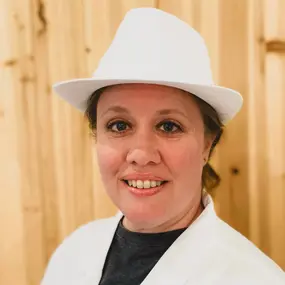
Stephanie Slater has been keeping honey bees since 2017. She produces nationally award-winning honey in Walworth County, Wisconsin.
Stephanie entered her first honey show in 2019. She had absolutely no idea what she was doing, but with some dumb luck, received a 2nd place at the Wisconsin State Fair. Two months later, after applying some of the judge’s feedback to her entry, she received 2nd place at her first American Honey Show. She was hooked and started doing anything she could to learn more about how to improve as a competitor. In 2023, she became the first person in Wisconsin to be certified as a honey judge through the American Honey Judges Association.
Since 2019, Stephanie has earned Best of Show honors at the Walworth County Fair, Wisconsin State Fair, and American Honey Show. Her honey has also been recognized as Best Tasting Honey in the United States in the Center for Honey Bee Research’s Black Jar Contest and earned third place in the International Flavor Awards. She has received several awards at the North American Honey and Beeswax Championship and is a 2026 Good Food Award winner.
Stephanie was the 2022 Wisconsin Beekeeper of the Year and can often be found giving presentations throughout the Midwest.


